

These documents do different jobs
A registered sale deed records the transfer document between parties. Mutation updates the relevant revenue entry after a transfer or succession process. Khatauni is a revenue record connected to holding and tenure entries. A khasra number identifies a land parcel in the revenue system. None should be read alone. Buyers sometimes hear “registry is complete, so everything is clear” or “the name is in khatauni, so title is guaranteed.” Property verification is more careful. A lawyer examines the chain of documents, identity and authority of sellers, revenue records, encumbrance information, possession, disputes and applicable restrictions.
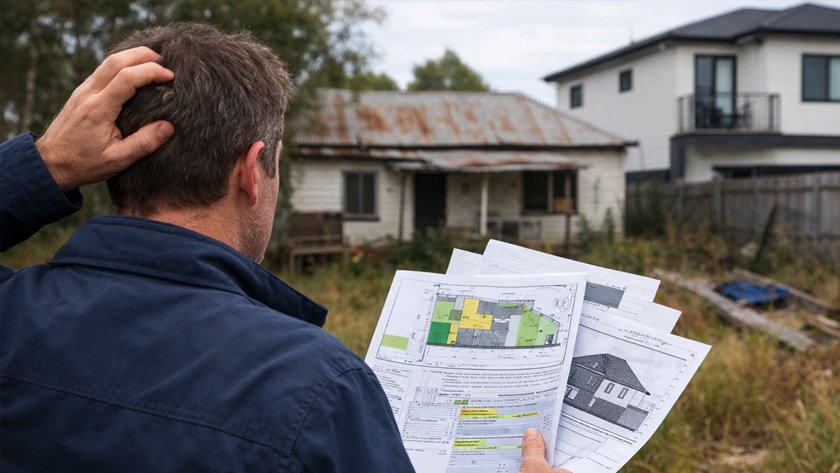
Match paper to ground
The recorded area and khasra must be connected to the land shown on site through appropriate measurement. A boundary wall or local name may not follow the revenue map. Where a portion is being sold, subdivision and access deserve particular attention.

Mutation is important but not a substitute
Revenue entries support administration and possession history, but their legal effect depends on facts and law. Treat mutation as one element of the file, not a replacement for the registered instrument and title review.

FAQs
Can mutation happen automatically after registry? Processes vary; confirm the current procedure and follow completion. Does khatauni show every risk? No. It must be read with the wider title and transaction file. Who should interpret the records? A property lawyer and appropriate revenue professional familiar with the location