
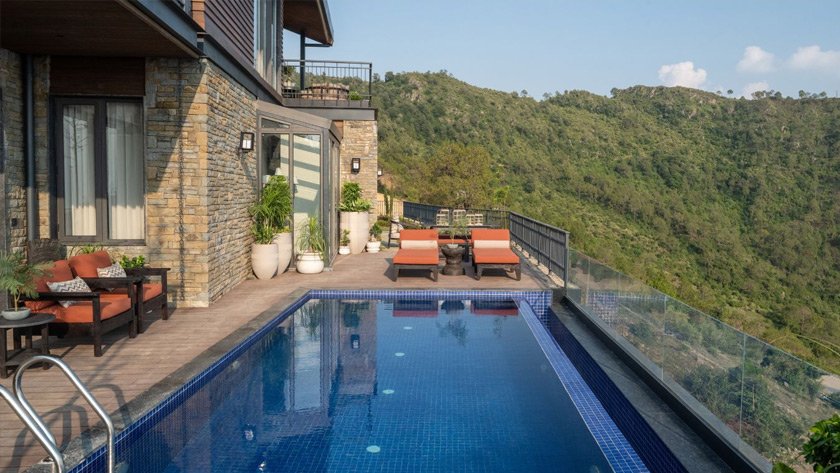
Appreciation is not the only decision
Some buyers acquire land for long-term value. Others want to develop villas, a resort or a plotted project. The right choice depends on time, capital, approvals, location readiness and the owner’s ability to execute. A holding strategy may reduce immediate construction exposure, but the asset still requires boundary clarity, records, tax compliance, access protection and periodic inspection. Empty land is not management-free. Encroachment, road changes, water issues and document gaps can become harder to solve later. Development can create use and income, but it converts a property decision into a business. A resort needs a market, team, distribution and maintenance. A villa project needs planning, infrastructure, sales or rental strategy. Construction should not begin simply because the land was purchased cheaply.

Use a stage-gate approach
First confirm legal and technical feasibility. Next test the market and concept. Then prepare a realistic capital and approval path. Only after these stages should detailed design and construction begin. This protects the buyer from spending heavily on an idea that the site or market cannot support.

A middle path
Some owners improve documentation, survey, boundary, basic access and concept planning while waiting for the right development window. This can make the property easier to evaluate without committing the full project capital too early.
FAQs
Does vacant land always appreciate? No. Value is influenced by legality, access, demand, usability and wider market conditions. Should design begin before purchase? Preliminary feasibility can begin, but detailed design should follow verified survey and ownership. Can land generate income without construction? Possibilities depend on land category, permissions, location and viable use; obtain specific advice

