
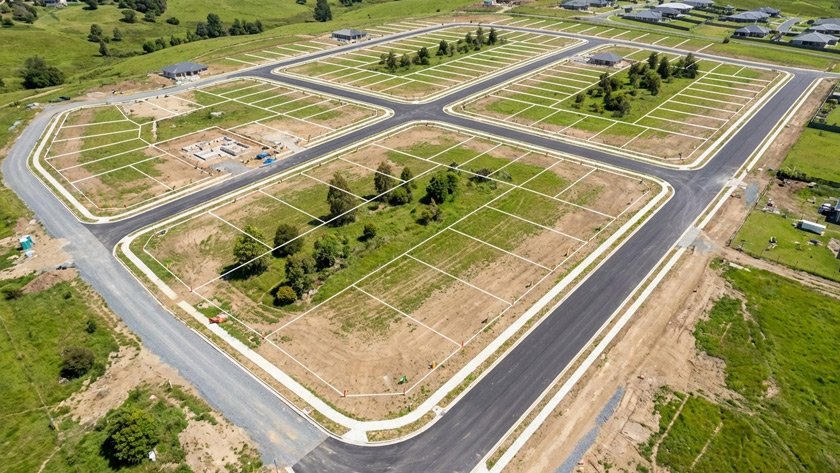
A beautiful asset may still take time to sell
Liquidity means how easily an asset can be sold at a reasonable value. Hill property is highly specific. Two parcels in the same village can attract very different demand because access, view, slope, water, boundary and documentation differ. The broadest buyer pool usually prefers clear title, motorable access, practical plot size, understandable pricing and a visible use. A very large or technically difficult parcel may be valuable to a specialist developer but unsuitable for a family buyer. That narrower audience can increase resale time.

Price must reflect total effort
Owners sometimes price only from nearby asking rates. Buyers calculate access work, retaining, approvals, construction logistics and uncertainty. A property with organised documents, survey and preliminary feasibility can be easier to evaluate and negotiate.

Protect future marketability
Maintain current records, visible boundaries, access evidence, tax receipts and a property file. Record improvements and obtain approvals where required. Avoid informal subdivisions or unrecorded access arrangements that may create confusion for a future buyer.

Buy with an exit audience in mind
Even a long-term buyer should ask who may want the property later and why. A clear end-use—home, retreat, resort, agriculture or development—helps define the future buyer. Resale should be considered a possibility, not a guaranteed timetable.
FAQs
Do views guarantee faster resale? No. Views attract interest, but documents and access strongly affect completion. and wider market conditions. Is a smaller parcel more liquid? Often it has a wider buyer pool, but legality, use and price remain important. Can promised infrastructure be added to today’s value? Treat future works cautiously until approved, funded and progressing

