
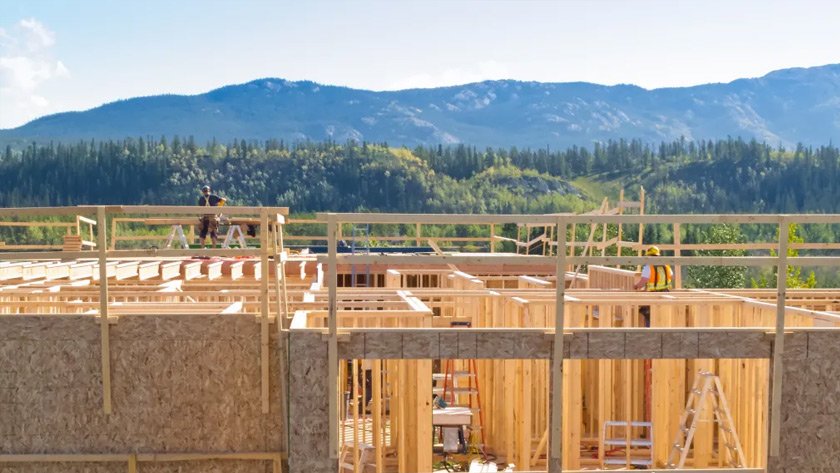
Two very different purchases
A developed plot offers defined boundaries, planned access and closer proximity to construction readiness. Raw hill land may offer scale, privacy and design freedom, but it asks the buyer to solve more questions. Neither option is automatically better.
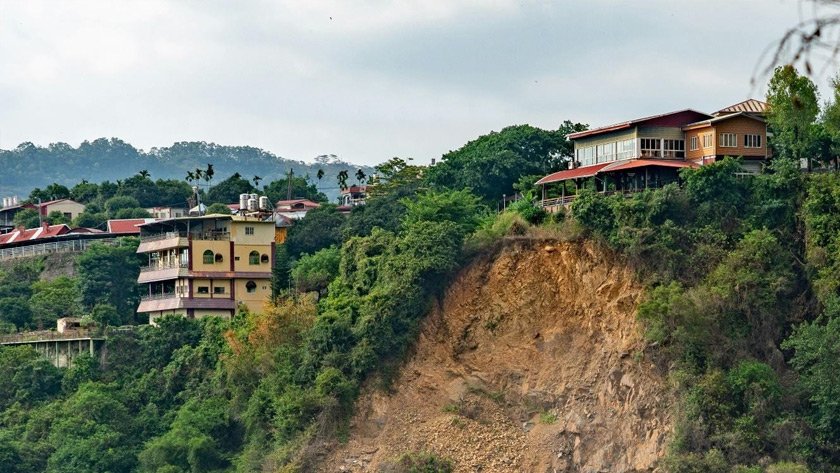
When a ready plot may fit
It can suit a buyer who wants a home or villa on a shorter timeline, prefers a smaller ticket size and does not want to coordinate major external infrastructure. Verify whether the road, drainage, electricity, water and common-area promises are completed, approved and legally available—not merely shown in a brochure.
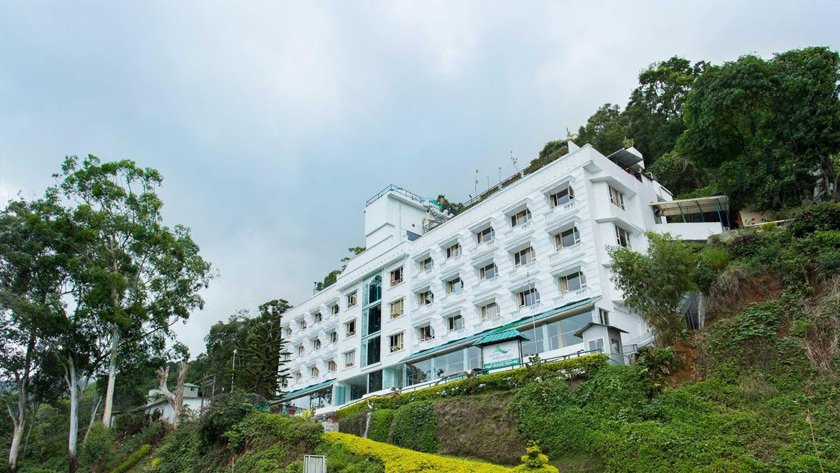
When raw land may fit
Larger land can suit a resort, retreat, villa community, farm-linked concept or long-term holding strategy. The buyer has greater control over layout, but also bears responsibility for survey, access, slope management, utilities, approvals and environmental context. Usable land can be materially different from total recorded area.
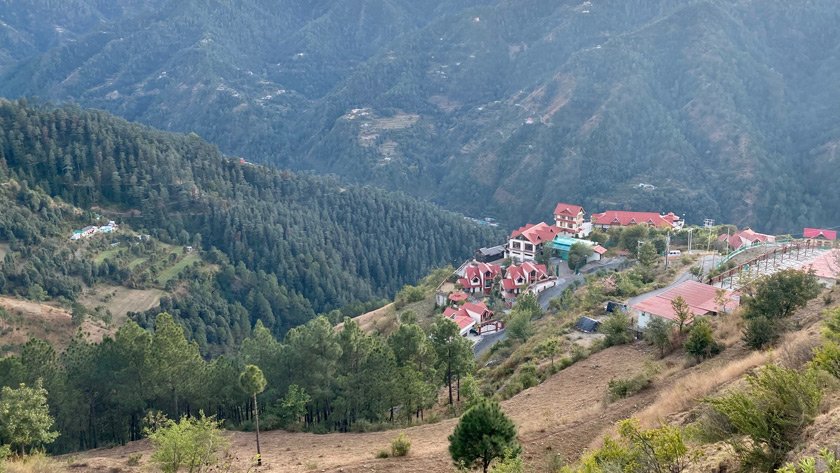
Compare control with responsibility
Ask what is already delivered, what remains dependent on another party and what must be funded by the buyer. Review title, land category, access rights, permitted use, subdivision status and building feasibility. A plotted layout should not be assumed legal simply because stones or roads are visible on site.
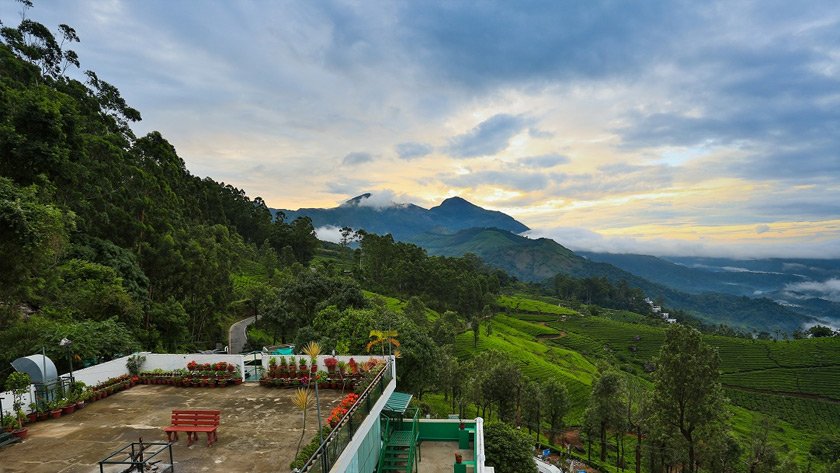
Decide from the end use
Start with the intended outcome, operating date and available management capacity. A ready plot may cost more per unit of land but provide clarity. Raw land may create stronger long-term value when the buyer has professional support and realistic capital.
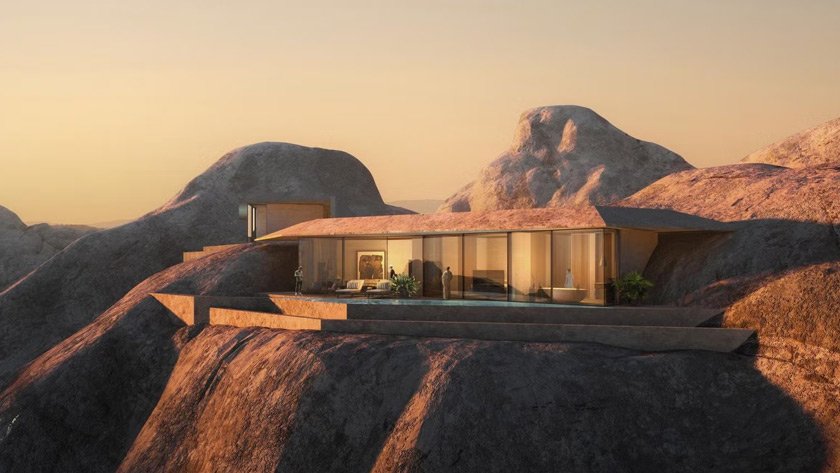
FAQs
Is raw hill land always cheaper? The purchase rate may be lower, but total development cost can be higher. Can all recorded land be built upon? No. Slope, setbacks, access, drainage, regulations and site conditions affect feasibility. What should be checked first? Title, access, measured boundary, land use and preliminary technical feasibility

