
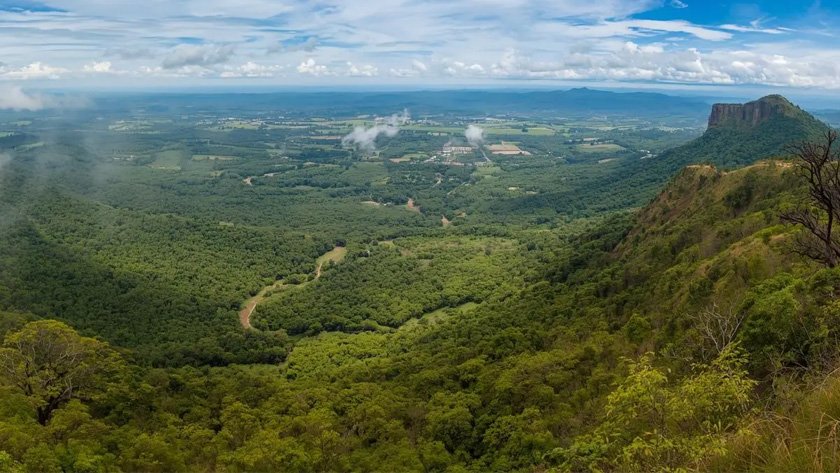
Start with the land, not the brochure
Mountain land is often sold through emotion: sunrise, forest, river or valley. Those qualities matter, but a buyer must also learn to read the ground. Where does rainwater move? Which part is stable and usable? How will vehicles enter? Where will construction material be stored? The answers decide whether the property can support the intended home, resort or villa project within a realistic budget.

Legal review and technical review are different
A lawyer can examine ownership, transfer rights, encumbrances and legal records. A surveyor can help identify boundaries and area. An architect or engineer can assess contours, access and preliminary buildability. One professional should not be expected to replace all the others. Coordinate these reviews before the payment becomes difficult to reverse.
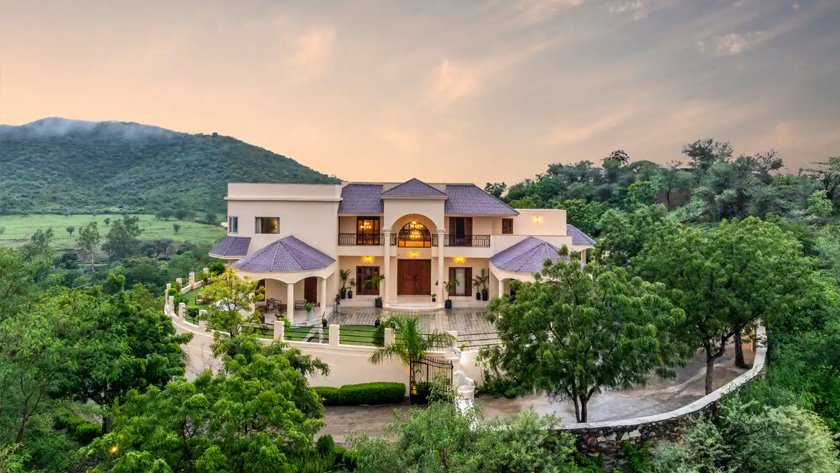
Usable land is more important than headline area
A five-acre parcel is not automatically more valuable than a smaller site. Steep zones, water channels, setbacks, access and environmental constraints can reduce the area that can be used. Ask for a contour survey and a concept-level layout before assuming the number of villas or rooms a property can hold.
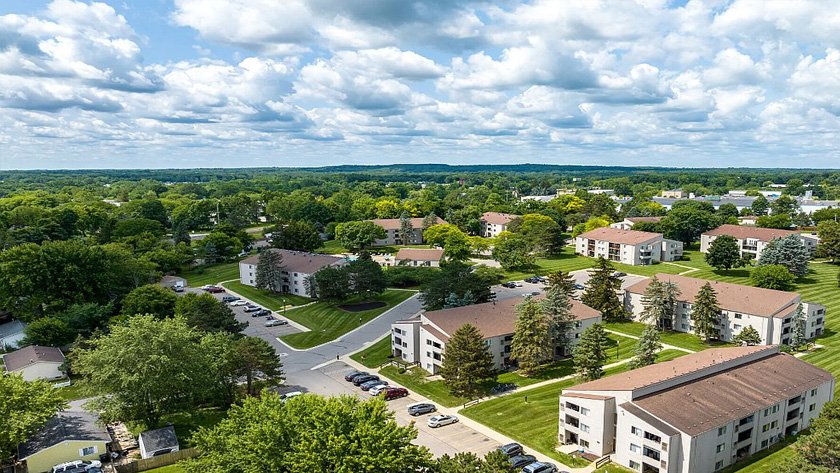
Retaining and drainage deserve early estimates
In hill projects, retaining structures and drainage are not finishing items. They are fundamental infrastructure. Poorly directed water can damage roads, slopes and foundations. Ask a qualified engineer to identify major water paths and likely structural requirements. UK Himalayan Properties | 10 Original SEO Blog Drafts Page 19 A low land price can become expensive when access, retaining and utilities are added. Compare total development cost per usable unit, not only purchase price per nali.
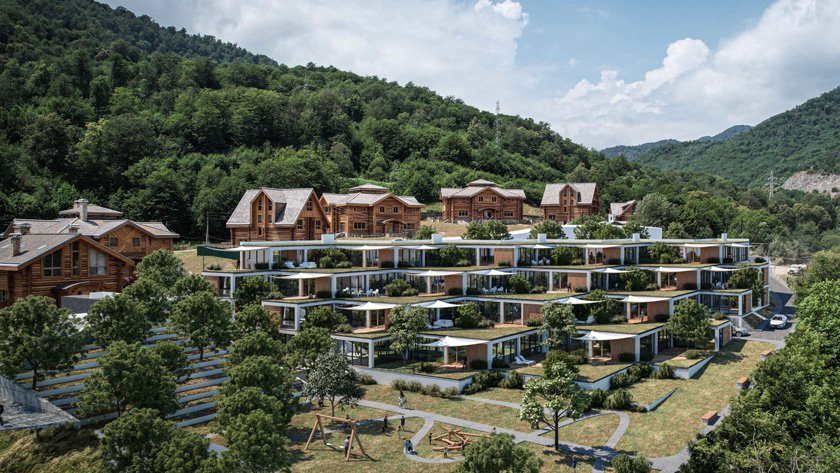
Road geometry affects the entire project
Width is only one measure. Gradient, bends, surface, ownership, passing points and year-round maintenance also matter. A hospitality project needs guest comfort and service access. A villa development needs construction logistics and parking. A private retreat may work with a simpler road, but emergency access still deserves attention.
Utilities need evidence
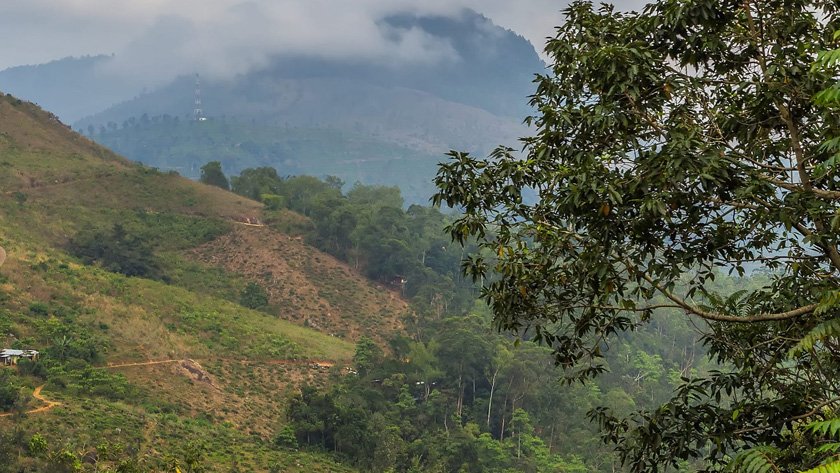
Water availability can change by season. Identify the source, legal/technical feasibility, storage and demand. Check the nearest electricity infrastructure and likely load. Understand sewage treatment and waste handling for the intended scale.

Respect the local and environmental context
A hill project sits within a village, watershed and landscape. Speak with local residents, understand seasonal conditions and avoid planning that overloads water, roads or slopes. Uttarakhand's tourism framework emphasises sustainability; responsible planning also reduces operational and reputational risk.
Build a decision file
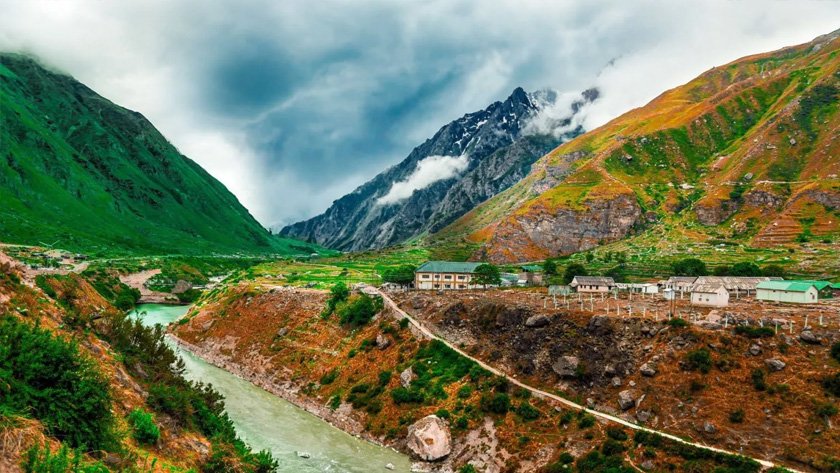
Keep copies of records, surveys, photographs, meeting notes, cost assumptions, approvals and professional opinions. Date every document. If a statement remains verbal, treat it as unverified. A disciplined decision file makes negotiation clearer and supports future design, finance or resale.
The buyer's final test
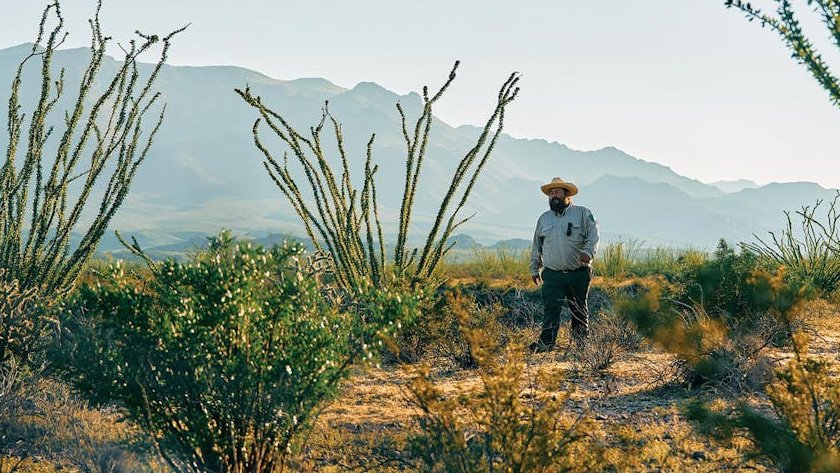
Ask: If the view were less dramatic, would the documents, access and economics still make sense? If the answer is yes, the property may have a strong foundation. If the entire decision depends on hope, pause and investigate further.
Frequently Asked Questions
-
What is a contour survey?
It maps levels and slope across the land, helping professionals assess layout, access, cut-and-fill and drainage.
-
Why is price per nali not enough?
It ignores usable area, road work, retaining, utilities, approvals and construction logistics.
-
Should I visit during monsoon?
When safe and practical, a wet-season or post-rain visit can reveal drainage and access conditions that are invisible in dry weather.
-
Can a broker confirm buildability?
A broker can share context, but buildability should be assessed by qualified legal and technical professionals